
Introduction:
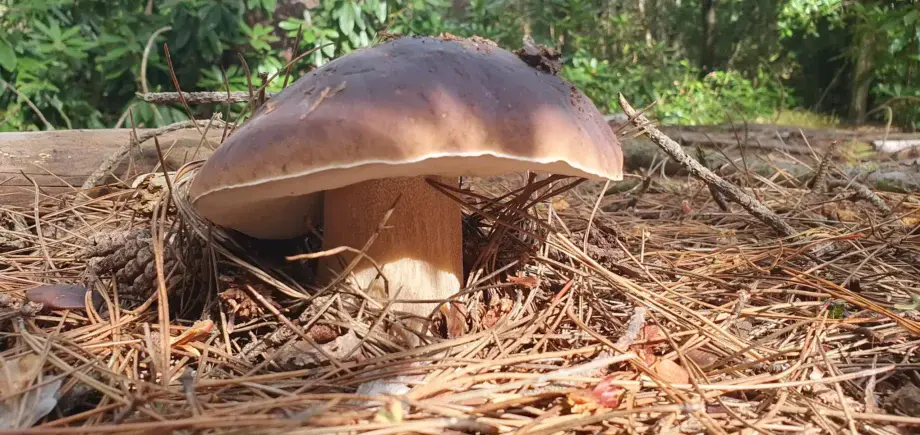
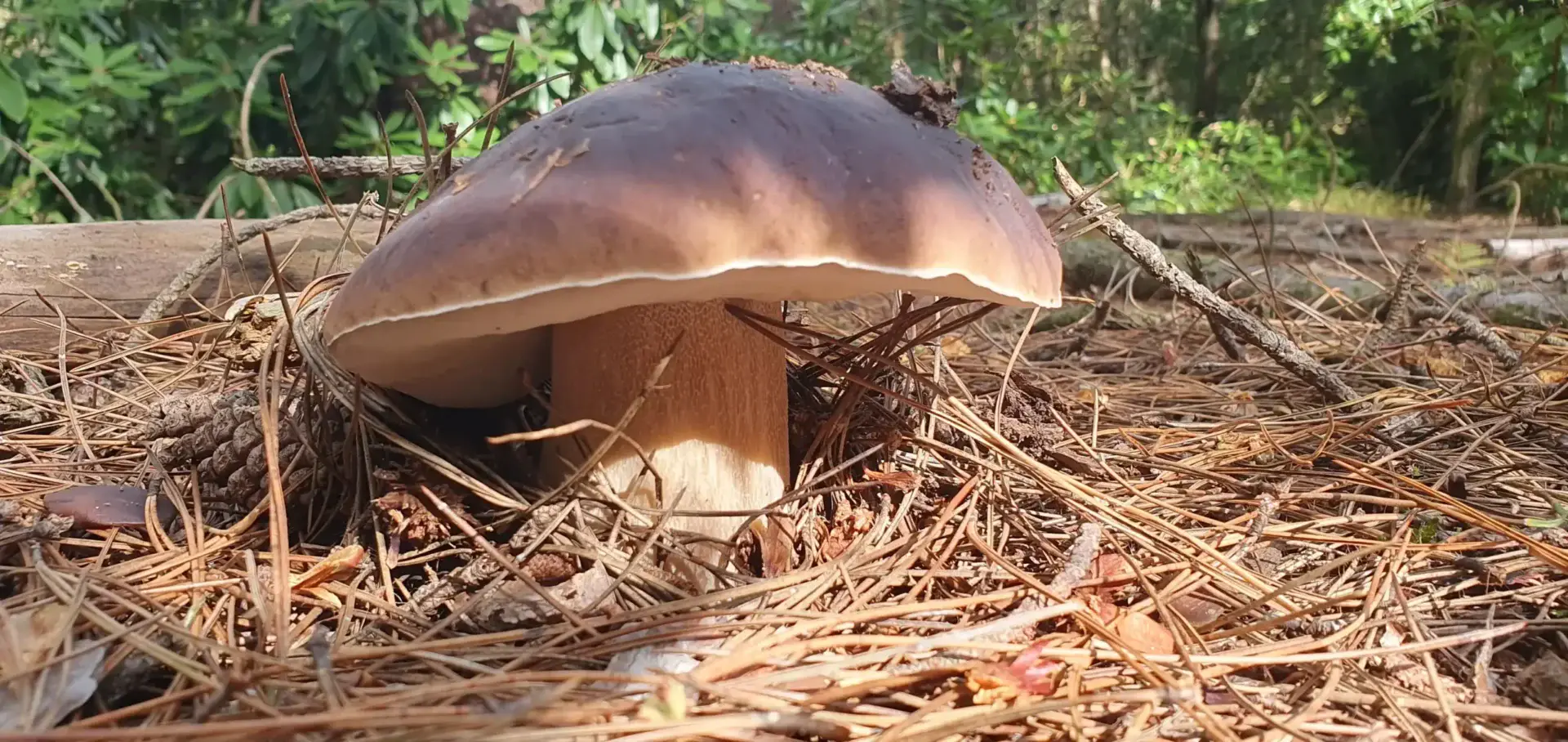
Few mushrooms are as celebrated among foragers and chefs as the Porcini, Boletus edulis. Known for its meaty texture and rich, nutty flavor, this iconic fungus is a highlight of East Sussex woodlands. Discovering a porcini feels like striking gold, both visually and gastronomically!
We have had a very long and dry Summer 2026 but now at last the temperature has fallen and with it the early Autumn rains. This change in temperature along with the soaking of the mycelium network will stress the organism and cause it to pop up its fruiting bodies in order to spread its spores.
In other words, “Its Porcini time!”
Description & Identifying Features:
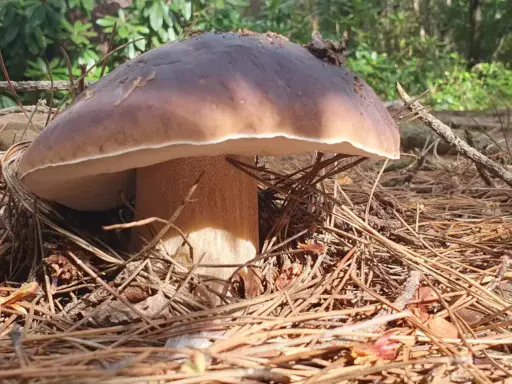
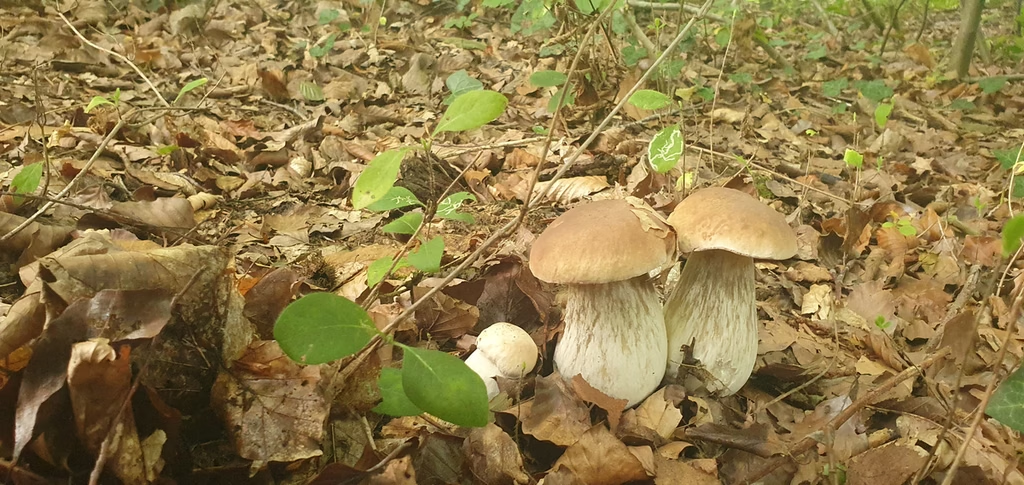
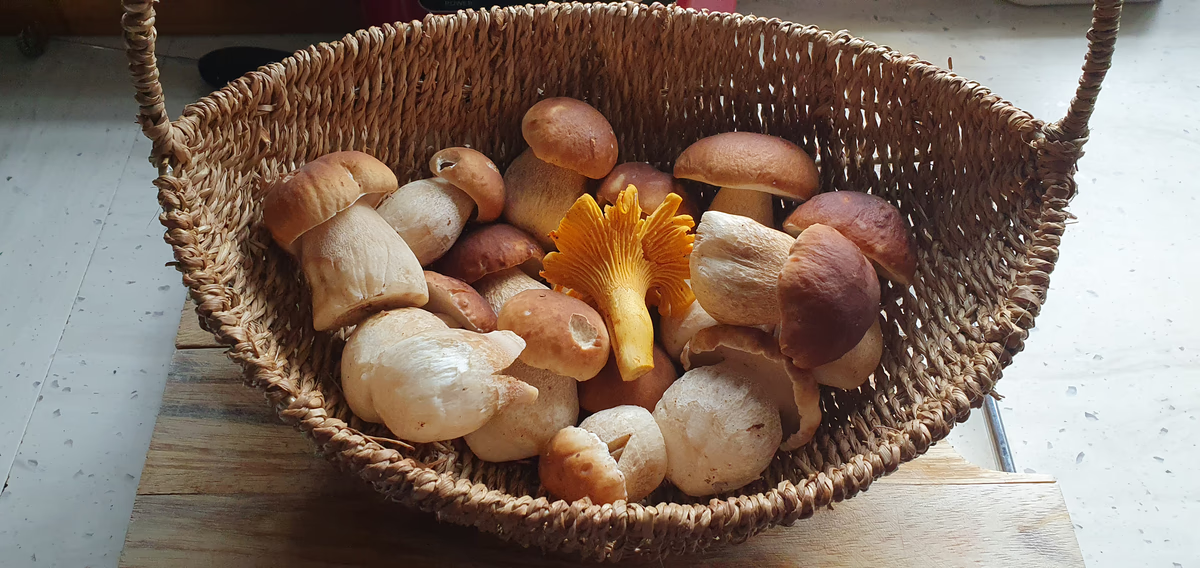
Porcini are large, stout mushrooms with a thick, creamy-white stalk and a broad, brown cap that can range from light tan to deep chestnut. The cap surface is smooth and slightly sticky when fresh, often with a lighter margin. The underside features a dense network of tiny pores rather than gills, and the spore print is olive-brown. Porcini have a firm, meaty texture and a distinctive, nutty aroma that becomes more pronounced when cooked.
Habitat:
Porcini are typically found in mixed woodlands, often near beech, oak, and pine trees. They form a mycorrhizal relationship with these trees, meaning they grow in close association with the roots. Look for them on the forest floor among leaf litter, moss, and grass, especially in areas with rich, well-drained soil.
Time of Year:
Porcini are most commonly found from late summer through autumn, appearing after periods of rain when the soil is moist and the woodland floor is alive with fungal activity.
Safety & Edibility:
Porcini are highly prized, edible, and safe when properly identified. Their firm texture and deep, savory flavor make them ideal for soups, risottos, pasta dishes, and roasting. Always cook thoroughly, and never eat a mushroom unless you are confident in its identification, as some lookalikes can be toxic.
Foraging Tips:
- Search near oak, beech, and pine trees, especially in leaf litter or mossy areas.
- Look for large, stout mushrooms with thick stalks — Porcini are hard to miss once mature.
- Harvest carefully by cutting at the base to protect the underground mycelium.
- Avoid overly old or insect-infested specimens; fresh mushrooms are firm and aromatic.
- Store in paper bags in the fridge for a few days, or dry for long-term use — Porcini freeze and rehydrate well.
- Go with a guide if you’re new to foraging — Porcini have a few similar-looking species, and it’s best to confirm identification.
Conclusion:
Foraging for Porcini in East Sussex is a true woodland delight. Their unmistakable appearance, meaty texture, and rich flavor make them a must-find for any forager. Keep your eyes on the forest floor after a rainy spell, and you might just find one of the most iconic mushrooms the woods have to offer.